
The Attraction of Environment
The design of a casino is meticulously crafted to create an immersive environment that captivates visitors. From the moment one enters, the layout is optimized to draw guests deeper into the establishment. This is achieved through strategic placement of gaming tables and machines, as well as visual and auditory stimuli that enhance the overall experience. The colors, lighting, and even the scent are carefully selected to evoke feelings of excitement and anticipation, which encourages patrons to stay longer and engage more in activities like playing at an online casino australia real money venue that offers thrilling options for entertainment.
Furthermore, the lack of windows and clocks in many casinos plays a crucial psychological role. This design choice effectively disorients visitors, making them lose track of time and, as a result, encouraging prolonged gambling sessions. The ambient music often played in the background creates a sense of familiarity and comfort, which can further entice guests to linger. The overall atmosphere promotes a sense of escapism, allowing individuals to forget their everyday concerns and immerse themselves in the thrill of the game.
Additionally, the spatial organization of the casino is carefully planned to facilitate movement and encourage exploration. By creating a maze-like structure, designers can guide guests through various gaming areas and attractions without them realizing how much time they have spent there. This spatial dynamics play on human curiosity, maximizing the chances of enticing patrons to try new games or revisit popular ones, ultimately increasing the casino’s revenue.
The Role of Reward Mechanisms
Casino design heavily leverages principles of behavioral psychology, particularly the concept of reward mechanisms. The thrill of winning, even when the rewards are small, is a powerful motivator. Slot machines, often brightly lit and adorned with engaging sounds, provide immediate feedback as players spin the reels. This immediate gratification keeps players engaged, fostering a connection that encourages continued play. The unpredictable nature of these rewards taps into the psychological phenomenon known as operant conditioning, reinforcing the behavior of gambling.
Moreover, the concept of ‘near misses’—where players come close to winning but ultimately do not—amplifies the desire to continue playing. This design strategy is intentional and exploits cognitive biases to create the illusion of being on the verge of success. Such experiences can generate excitement, leading players to think that winning is just a few more spins away, which further entices them to invest more time and money into the game.

In addition to gaming machines, casinos often provide complementary services such as free drinks and dining options, which further enhance the gaming experience. These perks not only make patrons feel valued but also create a favorable environment where they are more likely to take risks. The combination of positive reinforcement and environmental cues ensures that guests remain engaged and invested in the casino experience, ultimately driving higher profitability for the establishment.
The Psychological Impact of Social Interaction
Casinos are not just places for individual gambling; they are vibrant social environments where interaction plays a significant role in the overall experience. The presence of other players can create a sense of community and shared excitement, as individuals celebrate wins together and console each other after losses. This communal aspect of gambling can enhance the enjoyment of the experience and encourage guests to return. Designers often capitalize on this by clustering gaming tables together, fostering an environment where interaction is natural and encouraged.
The design of communal areas, such as lounges and bars, is also a strategic move to promote social interaction. These spaces provide a place for players to discuss their experiences, share tips, and form connections. By creating areas where people can congregate away from the gaming tables, casinos effectively deepen social bonds, which can lead to increased loyalty and repeat visits. The friendships formed in these spaces can create a positive feedback loop, where individuals feel compelled to return to relive those moments.
The role of staff also should not be overlooked; dealers and waitstaff contribute to the overall atmosphere. Friendly interactions with staff can enhance the customer experience and foster a feeling of belonging. When guests feel valued, they are more likely to return, and this is a critical aspect of the psychological design of casinos. It’s a careful balance of social context that keeps people engaged, making them more inclined to spend their time—and money—within the establishment.
The Influence of Branding and Thematic Design
The branding and thematic elements of a casino heavily influence the psychological perception of the experience. Designers often create unique themes that transport guests to different worlds, whether it be the glitz of Las Vegas or the allure of a vintage casino. This thematic approach not only attracts different demographics but also creates an engaging narrative that guests can connect with emotionally. Themes can range from luxurious and sophisticated to lighthearted and fun, each designed to appeal to specific sensory experiences and psychological triggers.
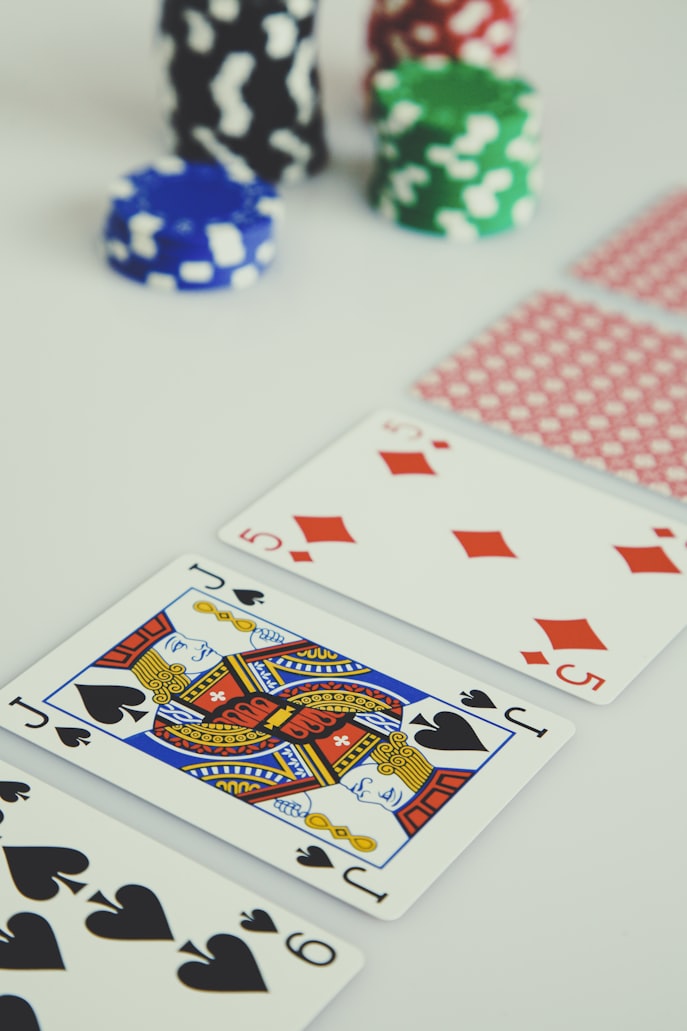
A well-executed theme can heighten the emotional response of patrons, creating a memorable experience that encourages repeat visits. For instance, a casino with a Mediterranean theme might incorporate architecture, decor, and cuisine that evoke the essence of that region, creating a holistic experience that transcends mere gaming. This immersive environment allows guests to associate their positive emotions with the casino brand, solidifying customer loyalty.
Moreover, effective branding extends beyond the physical space; it encompasses marketing efforts, customer service, and event promotions. Engaging marketing campaigns that resonate with potential patrons can enhance their perception of the casino as a desirable destination. By consistently delivering on the thematic experience, casinos can foster an emotional connection with their audience that goes beyond gaming, cultivating a loyal customer base that associates their visits with enjoyment and fulfillment.
Enhancing the Online Experience
As the gaming landscape evolves, so does the importance of designing an engaging online casino experience. Just as physical casinos rely on psychological principles to attract players, online platforms must also create an enticing digital environment. This includes user-friendly interfaces, captivating visuals, and immersive audio elements that replicate the excitement of being in a physical casino. The goal is to evoke similar emotions and excitement to keep players engaged in a virtual setting.
Furthermore, online casinos utilize gamification strategies that incorporate elements such as leaderboards, rewards, and social sharing options to enhance player engagement. By introducing competitive features, virtual casinos tap into the inherent human desire for achievement and recognition, encouraging players to return regularly to maintain their status. This approach not only increases user retention but also fosters a community among players, much like traditional casinos.
Additionally, the development of live dealer games bridges the gap between physical and online gaming experiences. These games allow players to interact with live dealers in real-time, creating a sense of connection that replicates the social dynamics of a physical casino. By combining technology with psychological strategies, online casinos can provide an experience that rivals even the most well-designed brick-and-mortar establishments, ensuring that players remain engaged and satisfied.